
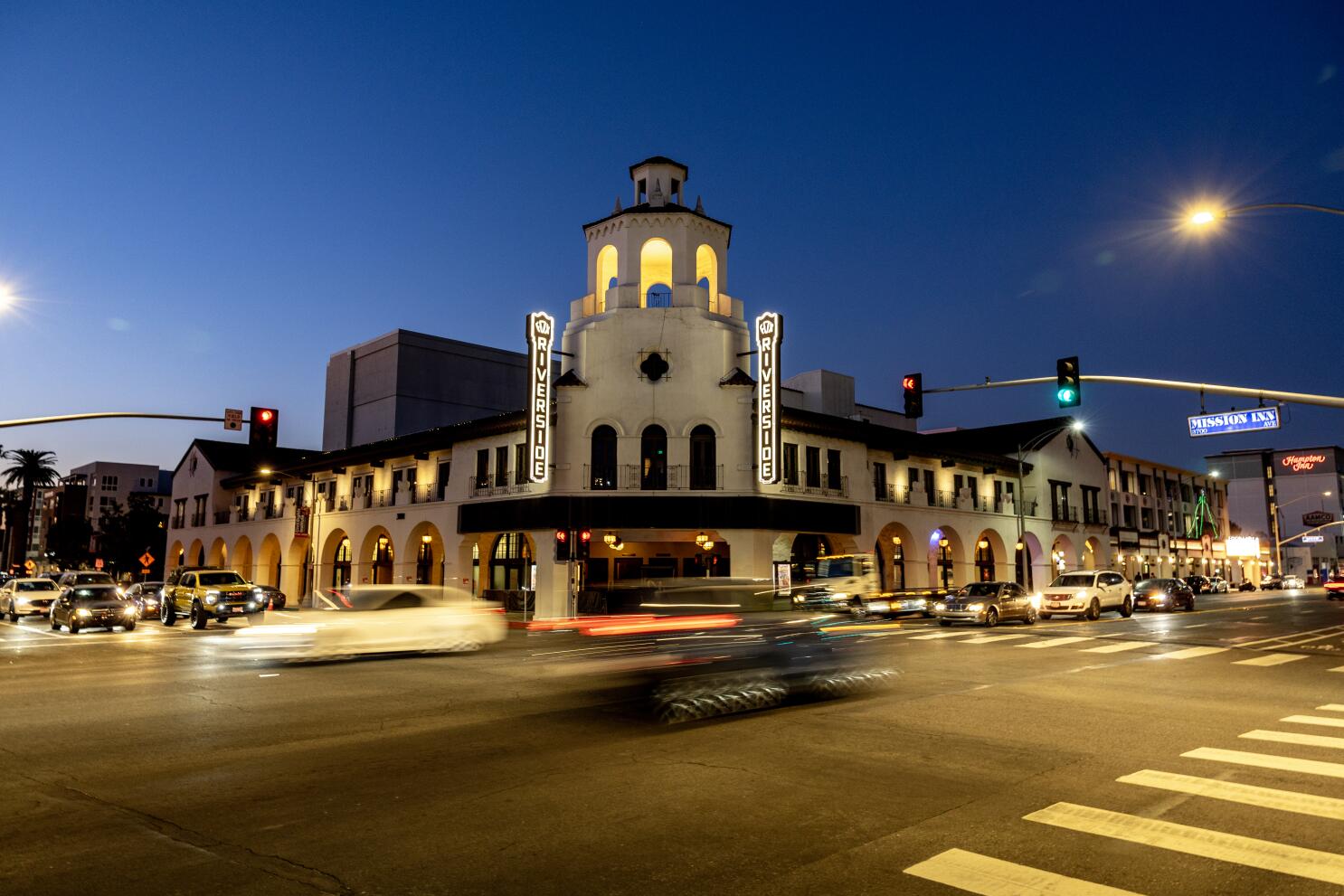
For commercial properties in Downtown Riverside, CA, the defensible choice between repair, restoration, and replacement starts with roof-system condition, moisture findings, drainage performance, and remaining service life. Downtown Riverside commercial roof work usually comes down to access, timing, and the building mix around the University Avenue corridor. In Downtown Riverside, we look for the roof problems that repeat on office, civic, hospitality, restaurant, church, and mixed-use roofs near Main Street and Mission Inn Avenue: loose coping, heat-aged patches, roof drains that cannot move water fast enough, rooftop unit penetrations, and membrane seams that open after wind or sun exposure. A Downtown Riverside roofing scope has to account for pedestrian control, tight staging, older decks, and occupied-building access, because the same patch that works on a small office can be the wrong answer for a warehouse, school, medical building, restaurant, church, or multi-tenant retail roof.
Downtown Riverside in Riverside has to be planned around Inland Empire roof exposure, not just around material availability. Heat, ultraviolet exposure, Santa Ana wind, dry debris, sudden rain, rooftop equipment traffic, and older patch work can all change how downtown riverside should be inspected. For downtown riverside planning, California cool roof guidance ties new and replacement low-slope roof work to energy-code requirements, reflectance, thermal emittance, and product-rating documentation. That local setting changes the downtown riverside inspection because we look hard at low areas around drains, wind-loaded corners, metal terminations, old patch stacks, and penetrations near HVAC equipment.
Our first field step for downtown riverside is a direct roof assessment, not a sales shortcut. For downtown riverside, we document membrane type, roof age if known, deck condition, slope, insulation profile, drainage, parapets, coping, gutters, scuppers, curbs, wall transitions, and any interior leak pattern. If the downtown riverside roof is a candidate for repair or restoration, we explain why the existing assembly can still be used. If replacement is the better path for downtown riverside, we show the conditions that make another patch cycle unreliable.
For downtown riverside, every product name and detail standard is informational until the actual roof assembly is selected and documented. If Downtown Riverside involves a manufacturer-covered system, we separate the product line, installer requirements, closeout paperwork, inspection expectations, and owner responsibilities so no one assumes a warranty or certification that has not been confirmed in writing.
Material selection for downtown riverside depends on the building, not on a single favorite system. A white TPO or PVC roof may make sense for downtown riverside on a broad low-slope field exposed to Riverside heat and energy-code requirements. Modified bitumen or built-up roofing may be the practical answer for downtown riverside on an older roof with many transitions. Silicone coating may extend service life for downtown riverside when the membrane is sound and preparation is realistic. Standing seam or R-panel work may fit downtown riverside on metal buildings, warehouses, and service facilities.
Cost for downtown riverside is driven by tear-off volume, wet insulation, roof height, access, edge metal, drain work, after-hours requirements, and how much occupied space must remain protected during the work. A simple downtown riverside patch near the University Avenue corridor is a different project than a phased reroof over a warehouse, medical office, school, or industrial supplier. We build downtown riverside estimates with line-of-sight logic: what is included, what is excluded, what is contingent on hidden conditions, and what can wait without creating a larger risk.
Permit and inspection planning matters for downtown riverside inside Riverside city limits and across nearby Inland Empire jurisdictions. For downtown riverside planning, Riverside's official neighborhood materials identify local districts such as Downtown, University, La Sierra, Arlington, Magnolia Center, Orangecrest, Wood Streets, Hunter Industrial Park, and Sycamore Canyon areas. For downtown riverside, we account for the documentation an owner may need before work begins, including product data, roof plans when available, scope notes, photos, disposal expectations, and inspection timing. On larger downtown riverside roofs, early coordination can reduce surprises around deck repair, drainage changes, insulation upgrades, and rooftop equipment support.
Occupied-building control is one of the practical differences in commercial downtown riverside. For downtown riverside, we plan access routes, parking impacts, dumpster placement, crane or lift windows, roof loading, noise windows, interior protection, and daily housekeeping before crews start. On downtown riverside facilities with production, warehousing, healthcare, education, retail, worship, campus, or highway-related activity, the roof work has to be visible to the site contact without disrupting every person using the building.
Wind and heat readiness are built into our recommendations for downtown riverside. For downtown riverside planning, Riverside County economic development resources support business growth and expansion across the wider county, which matters for portfolio owners with multiple Inland Empire properties. Before a forecast wind event, downtown riverside roofs need loose metal secured, open work protected, drains and scuppers cleared, and existing leaks stabilized. After wind or heavy rain, the downtown riverside priority is not only finding the obvious opening; it is checking perimeter edges, uplift patterns, punctures, rooftop equipment, skylights, coating fractures, and saturated insulation.
Documentation for downtown riverside should be useful after the crew leaves. For downtown riverside, we use roof photos, marked observations, scope notes, recommended priorities, and closeout records so the next facility meeting is not based on memory. For multi-site owners, downtown riverside records show which roof areas were repaired, where water has entered before, which drains need repeat cleaning, and which sections are nearing replacement. For one-building owners, downtown riverside documentation provides a plain-language explanation of roof condition, risk, and sequence.
For downtown riverside, we also ask who will use the roof after our work is complete. Downtown Riverside may have HVAC technicians, maintenance staff, sign vendors, solar contractors, grease-hood service crews, and telecom workers crossing the same membrane after closeout. For downtown riverside, that traffic question affects walkway pads, pipe supports, curb repairs, access ladders, tie-in locations, and whether an owner needs a maintenance schedule instead of waiting for the next leak call. A good downtown riverside scope should make the roof easier to manage after installation, not just look correct on the invoice.
The best time to discuss downtown riverside is before the roof controls the schedule. Commercial roofs tied to downtown riverside in Riverside, Jurupa Valley, Moreno Valley, Corona, Ontario, Fontana, San Bernardino, Redlands, Perris, Temecula, and the surrounding Inland Empire often fail in stages: one detail opens, water reaches insulation, another weather cycle expands the path, and then interior damage drives the decision. Calling early about downtown riverside gives us room to inspect, price the right options, order compatible materials, and plan the work around business operations.
Commercial Roofing Contractors Riverside keeps the downtown riverside conversation practical. For downtown riverside, we do not need to make unsupported award, project-count, license, certification, or warranty claims to explain what a building owner needs to know. For downtown riverside, the useful answer is a roof scope that describes current conditions, near-term leak risk, code and energy considerations, system options, access limitations, tenant impacts, and the cost difference between temporary repair, restoration, recover, and full replacement.