
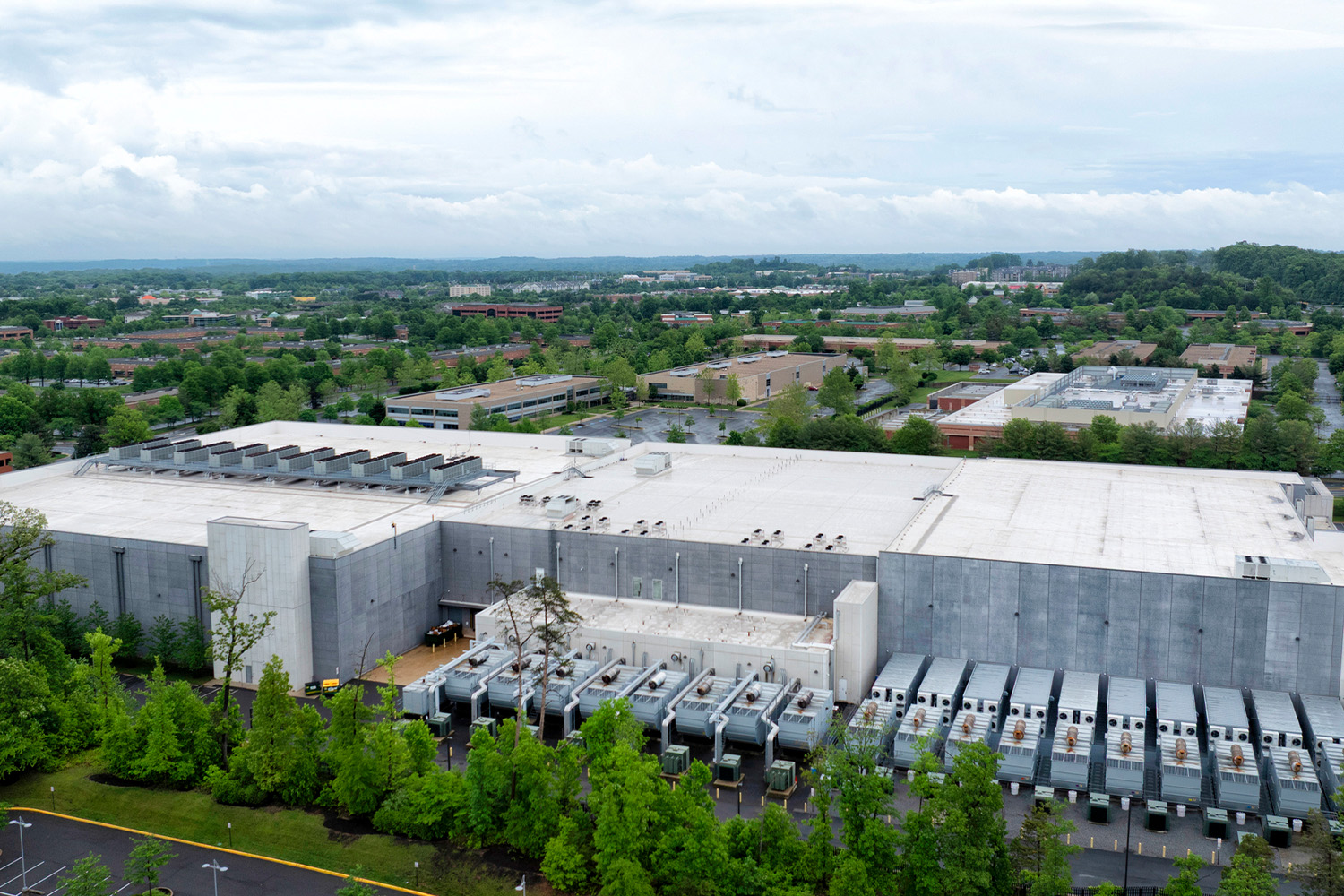
Riverside and the broader Inland Empire have emerged as a critical hub in Southern California's digital infrastructure landscape, driven by the same economics of land cost and power availability that have made the region one of the most important logistics corridors in the country. Amazon's Southern California distribution and computing network includes significant Riverside-area operations, with the computing infrastructure supporting one of the most sophisticated fulfillment and delivery systems in commerce history. UC Riverside's research computing campus adds academic HPC to the mix, while the proliferation of technology company campuses across the Inland Empire creates a diverse data center ecosystem that is growing rapidly as cloud adoption and e-commerce expansion continue to drive computing demand.
The Inland Empire's technology campus expansion is a direct consequence of the same pressures that have driven logistics growth in the region: land that is accessible to the Los Angeles and San Diego markets but far less expensive, power infrastructure that can support large-scale computing operations, and a workforce that has developed around the logistics and technology sectors over the past two decades. As Amazon and other major technology operators continue to expand their physical infrastructure in Riverside and the surrounding cities, the roofing requirements of data centers and computing facilities have become an increasingly specialized segment of the regional commercial roofing market.
Inland Southern California's climate creates a roofing environment that is superficially simple, low annual rainfall, plenty of sunshine, but technically demanding in ways that are easy to underestimate. The combination of extreme heat, intense UV radiation, and the dry conditions that characterize the Inland Empire produces roof membrane degradation that can be faster than in more temperate markets. Membrane surface temperatures on dark or unprotected roofs in Riverside can exceed 175°F on peak summer days, creating thermal stress that accelerates the aging of adhesives, seams, and the membrane material itself. Cool roof specifications are essential here not only for energy efficiency reasons, which are substantial, but for the direct impact on membrane service life.
California's Title 24 energy code applies fully to data centers in Riverside, including the cool roof requirements that specify minimum solar reflectance and thermal emittance values for new and re-roofing projects on commercial facilities. Riverside's climate zone designation places it in one of the code's hotter categories, which triggers some of the most stringent cool roof performance requirements in the state. Contractors must be able to document Title 24 compliance through CRRC-listed product specifications, and the permit process in Riverside County enforces these requirements as a condition of permit issuance. Working with contractors who are familiar with the compliance documentation process prevents delays that can cost significantly more than the compliance work itself.
Seismic design is a non-negotiable requirement for data center roofing throughout the Inland Empire. The San Andreas Fault and associated fault systems make Southern California one of the highest seismic hazard regions in the country, and the Riverside area sits in close proximity to multiple active fault traces. Rooftop mechanical equipment must be seismically restrained per ASCE 7 and California Building Code requirements, and the roofing system must be designed to accommodate the building movement that seismic events produce without catastrophic failure. Contractors who lack California seismic design experience will be unfamiliar with the specific equipment anchorage and flashing detailing requirements that distinguish California data center roofing from work in less seismically active markets.
Wildfire smoke is an emerging consideration for Riverside data center operations that has no parallel in most other US markets. California's increasingly active fire seasons produce smoke conditions that affect air quality across Southern California, including the Inland Empire. From a roofing perspective, smoke does not directly damage membrane systems, but it can deposit particulate matter on rooftop air handlers and cooling equipment intakes, increasing maintenance requirements and potentially driving additional rooftop work. Contractors serving this market should be familiar with the maintenance protocols for smoke-impacted facilities and should factor smoke season access requirements into their service agreements.
Water scarcity considerations in the Inland Empire create an interesting set of tradeoffs for data center operators considering rooftop stormwater management approaches. Low annual rainfall means that the drainage performance requirements that dominate roofing specification in wetter markets are less urgent here, but periodic intense rainfall events, particularly in El Niño years, can produce significant flow rates that challenge drainage systems designed around average conditions. Roof drains and scuppers should be sized for peak storm events, not average rainfall, and the drainage system design should account for the concentration of flow that results from the Inland Empire's relatively impervious urban landscape.
The Amazon and e-commerce logistics computing infrastructure in Riverside operates around the clock with virtually no scheduled downtime tolerance. The systems supporting automated fulfillment, inventory management, delivery routing, and customer-facing services are integral to an operation whose economics depend on continuous throughput. A data center roof failure that requires any portion of the computing facility to be taken offline represents a direct operational and revenue impact that can be measured in real time. This operating context elevates the stakes for roofing decisions in ways that facility managers at less time-sensitive computing operations may not fully appreciate: the right roofing contractor, the right specification, and the right maintenance program are not preferences but operational requirements.
UCR's research computing facilities present a different kind of mission criticality: academic research computing where interrupted jobs may represent days or weeks of computational work that cannot be quickly recovered. University research facilities also have different procurement timelines and approval processes than commercial operators, and contractors must be prepared for the institutional requirements that public university work entails, including prevailing wage compliance for work on the UC Riverside campus. The combination of technical requirements and institutional process requirements means that contractors serving this segment need both capabilities simultaneously.
The Inland Empire's data center market is positioned for continued growth driven by regional population expansion, logistics sector investment, and the migration of computing workloads to Southern California from more expensive coastal locations. For roofing contractors who develop deep competence in California's regulatory environment, seismic design requirements, and the specific performance demands of mission-critical facilities in the region's climate, this is an expanding market with sustained demand and high-value client relationships. The combination of strong growth, sophisticated clients, and genuine technical complexity creates conditions where quality-differentiated contractors will find lasting competitive advantage.
Frequently Asked Questions
How does Riverside's extreme heat affect data center roof membrane selection?
Peak summer temperatures in the Inland Empire drive roof surface temperatures on dark or unprotected membranes above 170°F, accelerating UV degradation, softening adhesive systems, and stressing membrane seams through thermal expansion and contraction. Cool roof membranes, white or light-colored TPO or EPDM that meet CRRC reflectance standards, reduce surface temperatures by 50–80°F and extend membrane service life significantly compared to dark alternatives. In Riverside's climate, a properly specified cool roof assembly can achieve 25-plus-year service life; a non-reflective membrane in the same location may require replacement in 12–15 years.
What California Title 24 requirements apply to data center roofing in Riverside?
Riverside County falls in California Climate Zone 10, which has stringent cool roof requirements under Title 24 Part 6. Low-slope commercial roofs must meet minimum aged solar reflectance and thermal emittance values specified in the code for this climate zone. The Cool Roof Rating Council (CRRC) maintains a rated products directory where compliant membrane products are listed with their tested values. Contractors must provide product data from CRRC-listed products and include the Title 24 compliance form in permit submittals. Failure to document compliance can result in permit holds that delay project completion.
How should I design roof drainage for Riverside given the low average rainfall?
Despite low average annual rainfall, Inland Empire storms, particularly during El Niño conditions, can produce intense rainfall rates that challenge undersized drainage systems. Size primary drains for the 100-year, 60-minute rainfall intensity applicable to Riverside, not for average annual conditions. Provide secondary overflow drainage that is genuinely independent of the primary system. Slopes should achieve positive drainage throughout the field, minimum 1/4 inch per foot, to prevent ponding from even moderate rainfall events. In a climate where rain is infrequent, the drainage system is often neglected between events; schedule annual drain inspections to clear debris that accumulates in the dry season.
What seismic requirements apply to rooftop equipment at Riverside data centers?
California Building Code Chapter 16 and ASCE 7 establish seismic design requirements for nonstructural components including rooftop mechanical equipment. The Riverside area has a high mapped seismic acceleration value that translates to significant lateral force requirements for equipment anchorage. Seismic restraints for cooling towers, chillers, generators, and air handlers must be designed by a licensed engineer using the mapped values for the specific facility location. The roofing details around seismic restraint anchors and curbs must accommodate the movement those restraints allow while maintaining watertightness: a specific detailing challenge that requires experienced California roofing practice.
How do I find a roofing contractor qualified to serve Amazon-level clients in the Inland Empire?
Amazon and similar large technology operators typically have approved contractor lists developed through a formal qualification process that includes insurance verification, safety record review, and often site visits to previously completed projects. If you are working directly with Amazon as the facility owner or operator, ask about their preferred vendor programs. If you are managing an independent data center serving Amazon or other e-commerce clients as tenants, look for contractors with documented experience on Amazon, fulfillment center, or comparable logistics technology facilities in California, verified manufacturer certifications for the membrane system you intend to specify, and emergency response capability appropriate for a 24/7 critical facility client.