
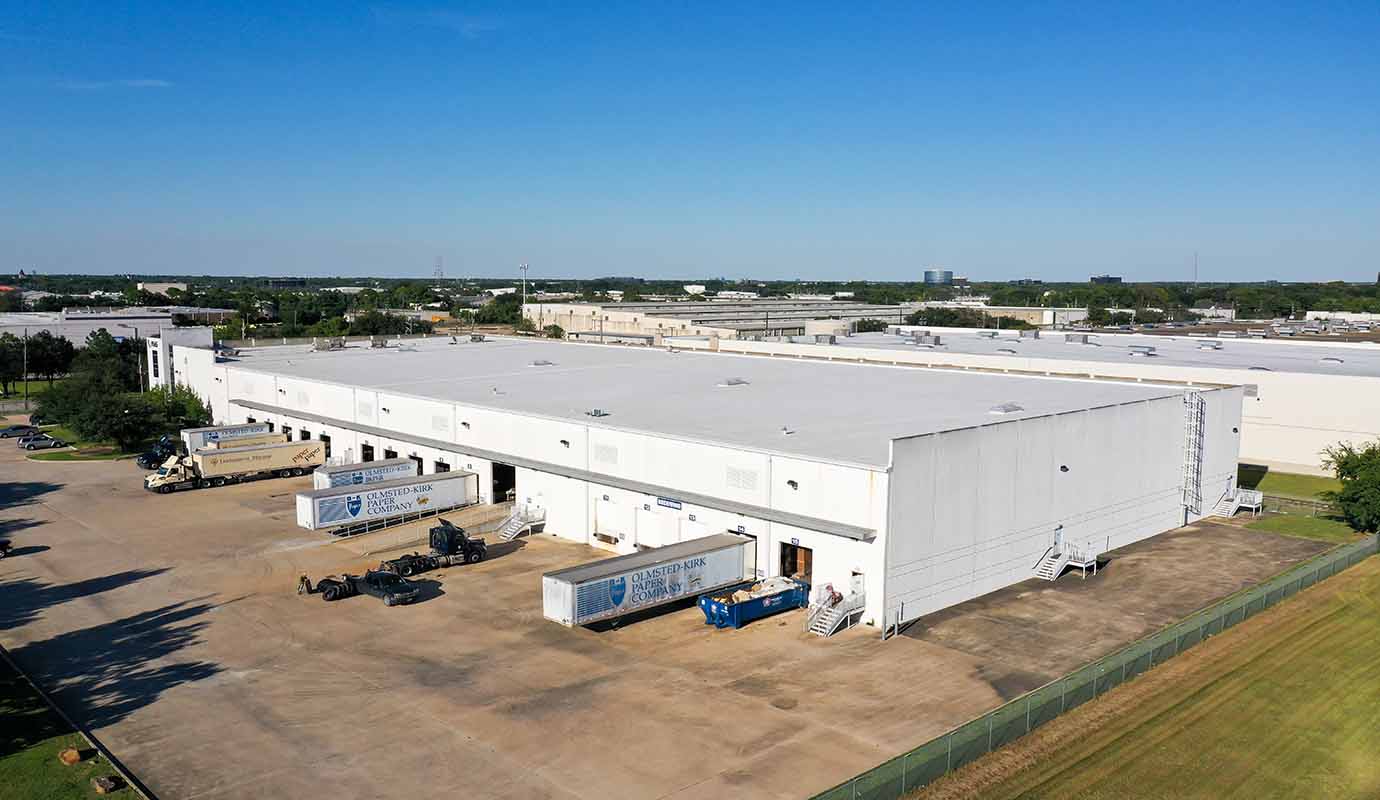
Prologis dominates the Inland Empire industrial real estate market, operating the largest institutional industrial portfolio in Riverside and San Bernardino counties: a position it has consolidated through decades of development and acquisition in what has become the most important logistics hub in the western United States. The I-10, I-215, and SR-60 freight corridors that converge in the Inland Empire give it unmatched distribution reach to both Southern California consumers and the Port of Los Angeles/Long Beach complex, and Prologis's Riverside-area portfolio reflects that strategic position through its concentration in large-format Class A warehouse and distribution facilities. The company's roofing program governs millions of square feet of industrial inventory through multi-property master service agreements that establish preferred vendor relationships covering inspection, maintenance, and replacement across the full portfolio.
California's Title 24 energy code is the defining regulatory overlay for commercial roofing in the Riverside market, just as it is across the state. Title 24 requires cool-roof compliance on virtually all low-slope commercial re-roofing, mandating Solar Reflectance Index minimums that effectively eliminate dark-membrane alternatives for building permit compliance. In the Inland Empire context, where summer temperatures regularly exceed 105 degrees Fahrenheit in the valley floor and rooftop surface temperatures on non-compliant dark systems can surpass 175 degrees, the energy efficiency case for cool-roof compliance is as strong as the regulatory mandate. Prologis and other Inland Empire REITs have incorporated Title 24 SRI documentation requirements directly into their MSA contractor frameworks, and roofing contractors who cannot produce the product certification data required for permit closure and future Title 24 audits are not competitive for institutional program work in this market.
The Inland Empire's exceptional heat amplifies the CAPEX implications of roofing system selection in ways that distinguish this market from even other California industrial regions. TPO membranes, the dominant cool-roof specification across Prologis's Inland Empire portfolio, face a service life reduction in Riverside compared to the same product in a Inland Empire or Sacramento climate, because sustained thermal cycling at extreme temperatures accelerates plasticizer migration and membrane aging at rates that manufacturer warranty tables calibrated on national averages do not capture. Asset managers building 10-year capital models for Riverside portfolios should apply Inland Empire-specific lifecycle adjustments to TPO longevity assumptions, typically reducing expected service life by two to four years compared to Northern California or temperate-climate benchmarks, and adjusting reserve contributions accordingly.
NOI on Riverside industrial properties is sensitive to roofing condition through the tenant operations lens that governs all large-format industrial real estate. Amazon, Walmart, FedEx, and the other large-format logistics operators that occupy Prologis's Inland Empire buildings require uninterrupted operations in facilities that may run 24 hours a day, seven days a week. A water intrusion event that damages inventory, shuts down conveyor systems, or contaminates food-grade storage areas in one of these facilities produces tenant claims that immediately exceed the cost of the roof repair and can escalate into complex commercial disputes if the landlord's maintenance record suggests the problem was foreseeable and unaddressed. Asset managers who can demonstrate documented proactive maintenance histories are in a substantially better position in tenant dispute resolution than those whose records show deferred maintenance followed by a failure event.
Property Condition Assessments before Inland Empire industrial acquisitions must address the UV-driven material aging that distinguishes California desert-edge roofing from national benchmarks. A modified bitumen system with eight years of service life in Minneapolis may have the physical characteristics of a 12-year system in Riverside, as the extreme UV intensity and sustained heat have accelerated the oxidation of the bituminous binder and granule adhesion degradation at rates that temperate-climate assessment criteria do not reflect. PCAs that apply standard useful-life tables without California desert-climate adjustments systematically overestimate remaining life, producing acquisition underwriting that underestimates near-term capital requirements. Inland Empire-experienced assessors explicitly calibrate their condition ratings against local climate exposure profiles rather than generic national frameworks.
Seismic considerations in Riverside carry a different character than in the Inland Empire, but they are not negligible. The San Jacinto Fault system runs directly through the Inland Empire, and several moderate seismic events have affected the region in recent decades. REIT asset managers maintaining Riverside portfolios include post-seismic parapet and roof-to-wall connection assessments in their inspection protocols following any regional event above magnitude 4.0, particularly for older tilt-up concrete construction where the parapet-to-wall connection detail is a known seismic vulnerability. The inspection cost is trivial compared to the water intrusion risk created by an undetected seismic-induced gap that is then exposed to California's brief but intense late-fall rain events.
Solar readiness has become a significant factor in Riverside REIT roofing decisions over the past several years. Southern California Edison and Riverside Public Utilities have offered commercial solar incentive programs that, combined with California's aggressive net metering policies, make rooftop solar financially compelling for industrial landlords with large-footprint buildings. Prologis has made public commitments to deploying solar across its California industrial portfolio, which means that every roofing system replacement decision for a Riverside property now incorporates a structural load capacity assessment for photovoltaic array support. Contractors who understand the dead-load calculation methodology and can document load capacity parameters in a format usable by the solar engineering team are substantially more valuable partners for a REIT pursuing aggressive solar deployment targets.
Multi-property MSAs in the Inland Empire context address the operational complexity of coordinating work across a portfolio that is geographically spread across two of California's largest counties. Prologis's Riverside and San Bernardino portfolio spans from Ontario and Chino in the west through Riverside and Moreno Valley in the center to San Bernardino and the high desert periphery in the east, a service territory that imposes significant mobilization logistics on preferred contractors. MSAs governing this geography typically segment the portfolio into service zones with zone-specific response time requirements rather than applying a single Inland Empire-wide window, ensuring that response commitments are realistic for the geographic range the program covers.
For commercial roofing contractors pursuing Prologis or comparable Inland Empire REIT program qualifications, the scale and technical sophistication of the market create both demanding entry requirements and substantial revenue opportunity. California contractor licensing, documented TPO and PVC installation experience on large industrial footprints, Title 24 compliance documentation expertise, seismic assessment awareness, and solar-readiness evaluation capability are all expected competencies. The contractors who have built multi-year REIT relationships in this market combine these technical qualifications with the data and reporting infrastructure, drone surveys, moisture mapping, SRI certification chains, and capital projection models, that institutional asset managers need to manage their portfolios with the transparency that public REIT reporting standards demand.
- How does Title 24 compliance affect roofing programs for Riverside REIT portfolios?
- California's Title 24 energy code requires cool-roof SRI compliance on virtually all commercial re-roofing, and Prologis-level MSAs incorporate Title 24 documentation requirements, product certification data, SRI ratings, installation affidavits, directly into contractor scope templates. This documentation must survive permit inspection, future Title 24 audits during property transactions, and lender due diligence reviews.
- How does Inland Empire heat affect TPO system lifecycle assumptions in CAPEX models?
- Extreme sustained temperatures accelerate TPO plasticizer migration and membrane aging at rates that temperate-climate manufacturer warranty tables underestimate. Capital models for Riverside portfolios should apply two-to-four year reductions to standard TPO service life assumptions and calibrate reserve contributions accordingly to avoid the shortfalls that unadjusted lifecycle models produce at replacement time.
- How does solar deployment affect REIT roofing decisions in Riverside?
- Prologis and other Southern California industrial REITs have committed to rooftop solar deployment across their California portfolios, making dead-load capacity assessment a standard component of every roofing replacement decision. Contractors who can document load capacity parameters in formats usable by solar engineering teams participate in the full building capital improvement cycle rather than just the membrane replacement transaction.
- What UV-exposure adjustments should a Riverside PCA include?
- PCAs should calibrate condition ratings and remaining useful life estimates against California desert-edge UV exposure profiles rather than applying national useful-life tables, which systematically overestimate remaining life on modified bitumen and BUR systems in the Inland Empire. An eight-year BUR system in Riverside should be assessed with the condition criteria appropriate to a 12-year-equivalent system in a temperate climate.
- Why do Inland Empire REIT MSAs use zone-based response time requirements?
- Prologis's Inland Empire portfolio spans a two-county geography from Ontario to the high desert periphery, imposing significantly different mobilization logistics on contractors depending on property location. Zone-based response windows set realistic commitments across the full service territory, avoiding the performance failures that a single metro-wide window produces for properties at the geographic edges of the coverage area.