
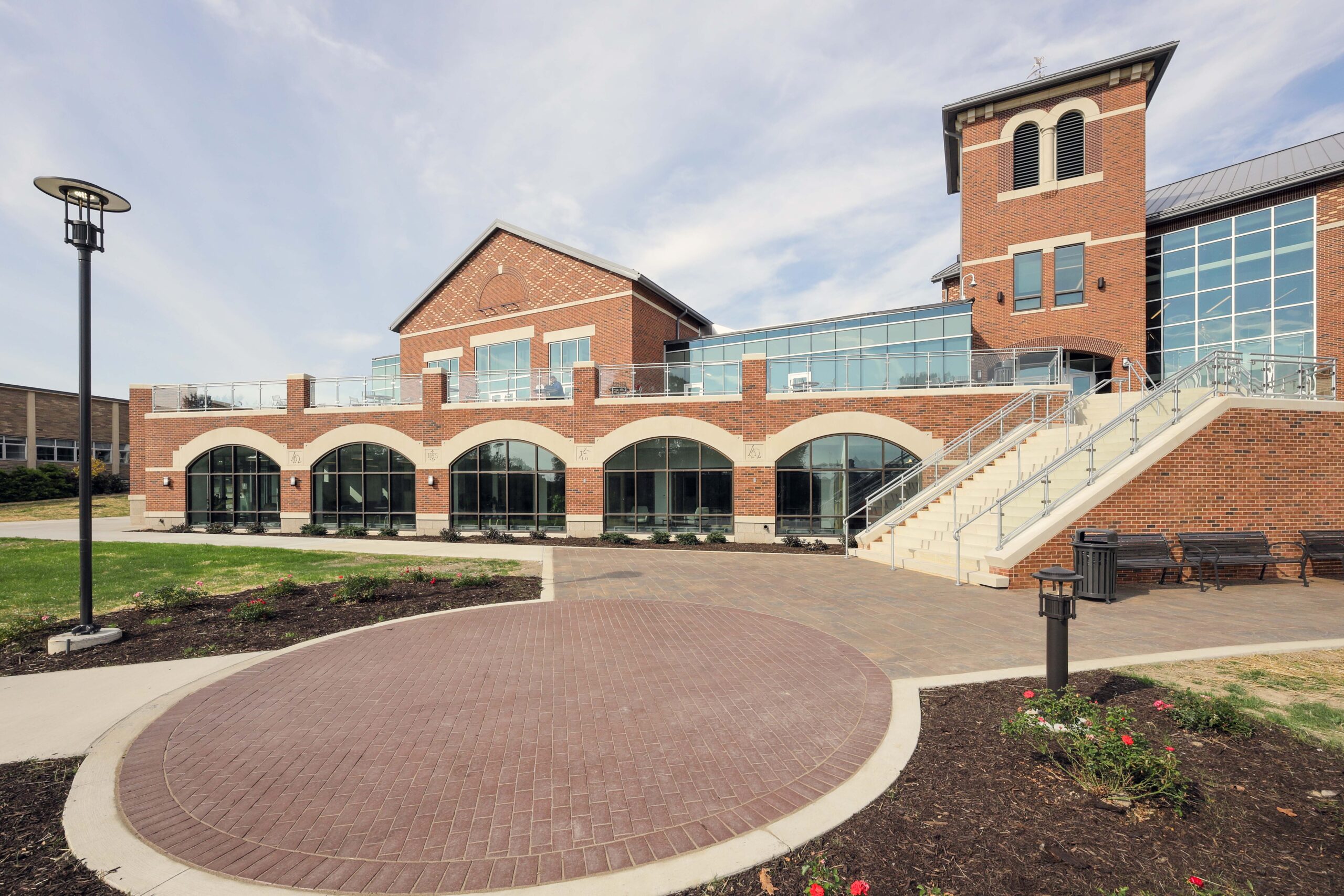
UC Riverside's campus in the Inland Empire serves a rapidly growing student population on a campus that blends mid-century California collegiate architecture with contemporary research and academic buildings built to modern performance standards. UC Riverside's facilities management team manages roofing programs under the California Division of the State Architect (DSA) framework for publicly funded educational buildings, a regulatory context that adds design review and inspector-of-record requirements to every significant roofing project and distinguishes UC Riverside's procurement environment from private university counterparts.
DSA compliance is the defining regulatory feature of UC Riverside roofing projects. The Division of the State Architect reviews structural, fire-life-safety, and accessibility aspects of educational facility construction, and all roofing projects that affect structural systems, including new parapet heights, added equipment curb loads, and changes to drainage system routing, require DSA plan approval before work begins. Contractors working on UC Riverside projects must be familiar with DSA inspection requirements and maintain required inspection documentation throughout construction. DSA-required special inspections for roofing work include verification of membrane attachment, fastener patterns, and seam integrity at frequencies established in the approved inspection program.
Semester scheduling at UC Riverside follows the University of California's quarter system, with fall, winter, and spring quarters and a summer session that significantly reduces but does not eliminate campus population. The primary roof replacement window aligns with the summer quarter reduction, mid-June through late September, but UC Riverside's extended Inland Empire heat season means that summer roofing work occurs in extreme conditions. July and August surface temperatures on rooftop membranes exceed 185°F, and worker heat safety protocols, shade structures at staging areas, mandatory hydration and rest schedules, and modified work hours that start before dawn on peak heat days, are safety requirements, not optional accommodations.
California's Title 24 cool-roof requirements apply to all UC Riverside re-roofing projects as UC system sustainability standards. UC Riverside's Office of Sustainability specifies high-SRI membranes on all re-roofing projects and tracks rooftop thermal performance as part of the campus energy dashboard. The UC system's Sustainable Practices Policy requires campuses to pursue LEED Silver or better on major capital projects, and roofing specifications contribute cool-roof SRI documentation to LEED Sustainable Sites credit compliance.
UC Riverside's research buildings present the same specialized roofing requirements found at other research-intensive UC campuses. The Plant Transformation Facility, the Center for Disease Vector Research, and the engineering and applied sciences buildings all house laboratory operations with fume hood exhaust, compressed gas systems, and process chemical storage. DSA's inspector-of-record requirement extends to penetration flashing work above research lab areas, ensuring that waterproofing integrity is independently verified rather than relying solely on contractor self-inspection.
Seismic design requirements shape every UC Riverside roofing specification. UC buildings are designed to enhanced seismic standards relative to the standard California building code, reflecting the university system's long-standing commitment to campus safety. Fully adhered membrane systems are required throughout, penetration collars must accommodate design drift values, and expansion joint covers must be verified for seismic performance. UCR's campus engineering office maintains structural drawings that roofing designers must consult before specifying systems that add load to the existing structure.
The Inland Empire's wind environment adds an uplift design variable specific to the Riverside area. Santa Ana wind events produce high-speed offshore winds across the Inland Empire, and UCR's campus, positioned in the Santa Ana River valley, experiences significant gusting during these events. Edge metal termination systems must be designed for both wind uplift and lateral loads, and parapet caps must be mechanically secured against wind uplift forces that can approach or exceed standard specification assumptions during severe Santa Ana events.
Inland Empire sun and UV intensity accelerate membrane aging faster than coastal California locations. Annual rooftop inspection programs that document membrane reflectance, identify chalking and granule loss on modified bitumen systems, and check seam and penetration conditions are standard practice at UC Riverside. The campus's long-term facilities master plan includes condition assessment data on all major roofing systems to support accurate capital planning.
California C-39 Roofing Contractor licensure, DSA-approved contractor qualification, manufacturer system authorization, and documented experience on other UC campus or California K-14/higher education projects are the baseline qualifications for UC Riverside roofing work. Understanding DSA's inspection documentation requirements and having established relationships with DSA-approved inspectors of record is a meaningful competitive advantage in this market.
- What does DSA compliance require for roofing projects at UC Riverside?
- DSA plan review and approval are required before work begins on projects affecting structural systems. DSA-required special inspections verify membrane attachment, fastener patterns, and seam integrity at defined frequencies. An inspector of record engaged by the owner or DSA oversees construction and certifies compliance. Documentation must be maintained throughout construction for DSA file review.
- How does the Inland Empire heat environment affect roofing worker safety at UC Riverside?
- July and August peak temperatures require formal worker heat illness prevention programs: pre-dawn start times on peak days, mandatory shade at staging areas, hydration schedules, and supervisor training in heat illness recognition. California OSHA's Heat Illness Prevention Standard applies, and UCR's facilities management team enforces compliance as a contract requirement.
- What California Title 24 requirements apply to UC Riverside re-roofing projects?
- Low-slope commercial roofing must meet minimum solar reflectance and thermal emittance requirements. UC system sustainability policy specifies LEED Silver or better on major capital projects, and cool-roof SRI documentation supports LEED compliance. UCR's energy dashboard tracks rooftop thermal performance at the building level.
- How do Santa Ana wind events affect roofing system specification at UC Riverside?
- Santa Ana events produce high-speed offshore winds in the Santa Ana River valley, creating uplift loads that can exceed standard commercial building code assumptions. Edge metal termination systems, parapet caps, and rooftop equipment curb fastening must be designed for Riverside-specific wind exposure conditions, not generic IBC wind speed defaults.
- What contractor qualifications are required to work on UC Riverside roofing projects?
- California C-39 Roofing Contractor licensure, DSA-approved contractor qualification for educational facility work, manufacturer system authorization, and documented experience on comparable UC campus or California public education projects are baseline requirements. Bonding and insurance requirements are set by UC's procurement office and are significant for major capital projects.