
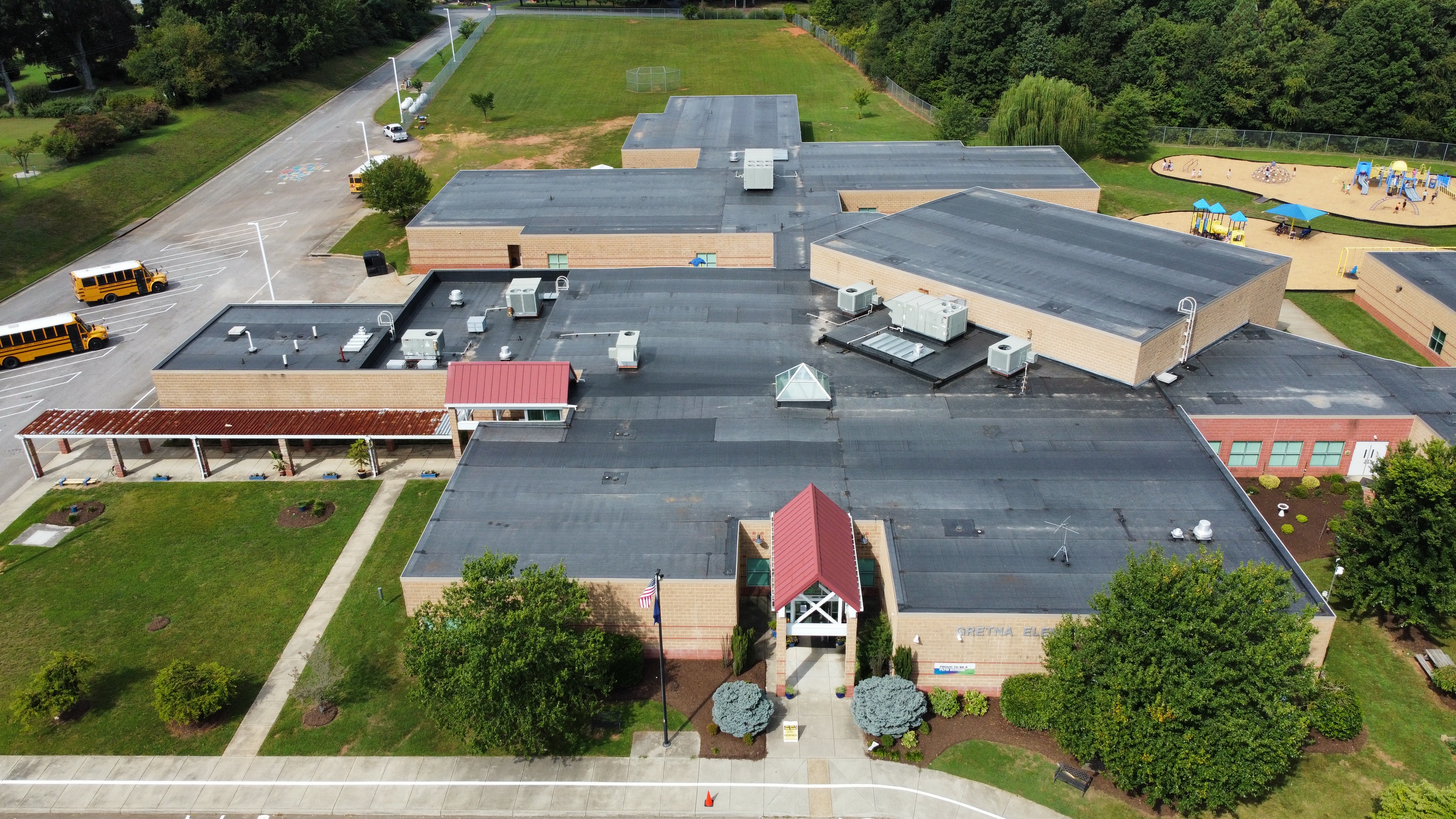
Riverside Unified School District, serving approximately 43,000 students across the City of Riverside and portions of unincorporated Riverside County, manages one of the Inland Empire's larger school building portfolios under the intense roofing stress conditions that define Southern California's hottest metropolitan region. Riverside's school roofing environment is shaped by UV radiation levels that rank among the nation's highest, summer roof surface temperatures routinely exceeding 185°F, and California's extensive regulatory framework: including Title 24 energy code compliance, Division of the State Architect oversight for school construction, and prevailing wage requirements that apply to all California public school capital projects.
California's Division of the State Architect (DSA) has jurisdiction over all construction on public school buildings in California, including roofing replacements that meet the applicable project type and value thresholds. DSA review ensures compliance with the California Building Code's structural, fire, and accessibility requirements as applied to school occupancy buildings. For Riverside Unified roofing projects that require DSA approval, the process involves plan submission, DSA staff review, approval prior to construction commencement, required special inspections during construction, and final project closeout documentation submitted to DSA's records. Contractors unfamiliar with the DSA process will find that it adds timeline and documentation requirements that private-sector work does not impose, and the project schedule must accommodate DSA review cycles rather than assuming permit timelines comparable to commercial work.
California prevailing wage law applies to all public school roofing projects in Riverside, as California public school construction is public works construction under the Labor Code. Prevailing wage rates for roofing work in Riverside County are set by the California Department of Industrial Relations and published on the DIR website. Contractors and their subcontractors must pay the applicable prevailing wage classification rates, maintain certified payroll records, and submit required reports. Failure to comply with prevailing wage requirements exposes contractors to significant civil penalties and potential debarment from future California public works projects: the compliance obligations are real and substantial.
California Title 24 Part 6 energy code requires that roofing replacement projects on non-neighborhood school buildings meet minimum Solar Reflectance and Thermal Emittance standards for low-slope assemblies. In Riverside's Inland Empire climate, where summer roof surface temperatures can approach 200°F on dark-surfaced existing systems, meeting and exceeding Title 24 minimums is also the right technical choice regardless of the regulatory requirement. Cool-roof systems with high SRI ratings reduce both the cooling load on the school's HVAC systems and the rate of membrane aging caused by thermal and UV cycling: a performance benefit that translates directly into reduced operating costs and extended roof service life.
Summer scheduling provides a 10 to 12 week construction window for Riverside Unified school roofing, but the extreme heat of a Riverside summer creates worker safety requirements that must be treated with full seriousness. Roofing crews working on existing dark membrane surfaces at midday in July can be exposed to radiant heat conditions that are genuinely dangerous without proper protection. Riverside Unified contractors should require documented heat illness prevention programs from all bidders, and the district's project oversight should include verification that heat protection protocols are actually being implemented: not just written down in the safety plan.
DSA-required special inspections for Riverside school roofing projects must be performed by DSA-certified special inspectors, not by the contractor's quality control personnel. The special inspector observes and documents insulation attachment, membrane fastening patterns, and flashing installation to verify compliance with the DSA-approved plans. Special inspection costs are typically borne by the district as owner costs rather than included in the roofing contract, and the district must engage a DSA-registered inspection agency before construction begins to avoid delays caused by last-minute inspector procurement.
Prevailing wage compliance monitoring for Riverside Unified roofing projects typically involves the district's facilities staff reviewing certified payroll records submitted by the contractor on a weekly basis. The Labor Compliance Program, which Riverside Unified may operate through its own program or through the DIR's Labor Compliance monitoring service, audits payroll records against the applicable prevailing wage rates and investigates any complaints from workers who believe they were underpaid. A contractor whose certified payroll records reflect actual payments that are consistent with required prevailing wage rates will have a smooth compliance experience; those whose records show discrepancies will face investigation and potential enforcement action.
California's school bond measure environment has funded capital improvements at Riverside Unified through multiple Proposition 39 and general obligation bond measures passed by Riverside voters. These bond funds are subject to independent citizens' oversight committee review, which includes periodic reporting on how bond proceeds are spent and whether projects meet the stated purposes for which voters approved the bonds. Roofing projects funded through bond proceeds must be documented in the bond expenditure reports submitted to the oversight committee, and the project files must be maintained in a way that supports this oversight function.
The Inland Empire's long-term climate trends, projections consistently indicate continued increases in summer temperatures and heat wave frequency, mean that the roofing systems Riverside Unified installs today will be performing under conditions that are likely to be more extreme than current conditions for the full 20 to 25 year service life of those systems. Specifying systems with the highest available SRI ratings and the most UV-stable membrane formulations is not over-specification; it is forward-looking facility management that protects the district's investment across the full intended service life.
- What is the DSA's role in Riverside school roofing projects?
- The California Division of the State Architect reviews and approves construction documents for public school projects above applicable thresholds, issues project approvals, oversees special inspections during construction, and processes project closeout documentation. DSA approval is required before construction begins on qualifying projects, and special inspectors certified by DSA must observe and document critical installation activities. The DSA process adds timeline and documentation requirements that contractors must account for in project schedules and closeout procedures.
- What prevailing wage rates apply to Riverside school roofing work?
- Prevailing wage rates for roofing work in Riverside County are published by the California Department of Industrial Relations, Division of Labor Statistics and Research. The applicable classification is typically Roofer for membrane installation work, with additional classifications for related sheet metal work. Rates are updated periodically and the DIR website provides current rate schedules. Contractors must pay the current rates for the applicable classifications and maintain certified payroll records demonstrating compliance.
- How does California Title 24 apply to Riverside school roofing?
- Title 24 Part 6 requires that low-slope roofing replacements on non-neighborhood buildings, including public schools, meet minimum aged Solar Reflectance and Thermal Emittance standards or achieve a minimum aged Solar Reflectance Index of 75. Products must be listed on the Cool Roof Rating Council database. Compliance must be documented in the DSA-approved construction documents and verified through the special inspection process during construction.
- What heat protection requirements apply to roofing crews on Riverside school projects?
- California's Heat Illness Prevention Standard (Title 8 CCR Section 3395) requires employers to provide water, shade, rest, and training for outdoor workers when temperatures exceed 80°F: a threshold that Riverside summer roofing projects will exceed virtually every working day. When temperatures exceed 95°F, additional high-heat procedures apply including mandatory 10-minute preventive cool-down rest periods every two hours and specific observation protocols. Riverside Unified's project oversight should verify that these requirements are being met, not just specified in the contractor's safety plan.
- How are Riverside Unified bond-funded roofing projects subject to oversight?
- Proposition 39 and general obligation bond funds are subject to annual independent audit and citizens' oversight committee review. The committee receives annual reports on bond expenditures and may request project documentation to verify that funds were spent in accordance with the ballot measure purposes. Maintaining organized project files, contracts, change orders, payment applications, inspection records, and closeout documentation, in a format accessible to oversight review is an administrative responsibility the district's facilities team must plan for at the outset of each project.